Table of Contents
- 📈 Why context and process beat hype in trading
- 🧭 The core framework I follow
- 📊 Examples that show the system working
- 🔍 Options and Premium charts — why they matter for Nifty and Midcap
- 🛠️ Rules for execution and money management
- 🧠 Mindset shifts that matter
- 📒 How to keep a trading journal that actually improves performance
- 🧩 Practical checklist before you place a trade
- 💡 Avoiding scams and noise
- 🔁 Practice plan for the next 30 days
- 🔎 Real-talk on expectations and time
- 📚 Resources and next steps
- ❓Frequently Asked Questions
- ✅ Final checklist before you trade
📈 Why context and process beat hype in trading
Most traders chase big screengrabs and miracle calls. The better path is predictable process. In the trading world—whether on NSE, BSE, or international exchanges—the winning edge comes from a repeatable setup, disciplined execution, and a mindset focused on percentage returns rather than headline amounts.
When you approach trading, stock market behaviour and Nifty moves with a framework, you stop being reactive to noise and start capturing clean, high-probability moves. That is what transforms random luck into a reliable income stream.
🧭 The core framework I follow
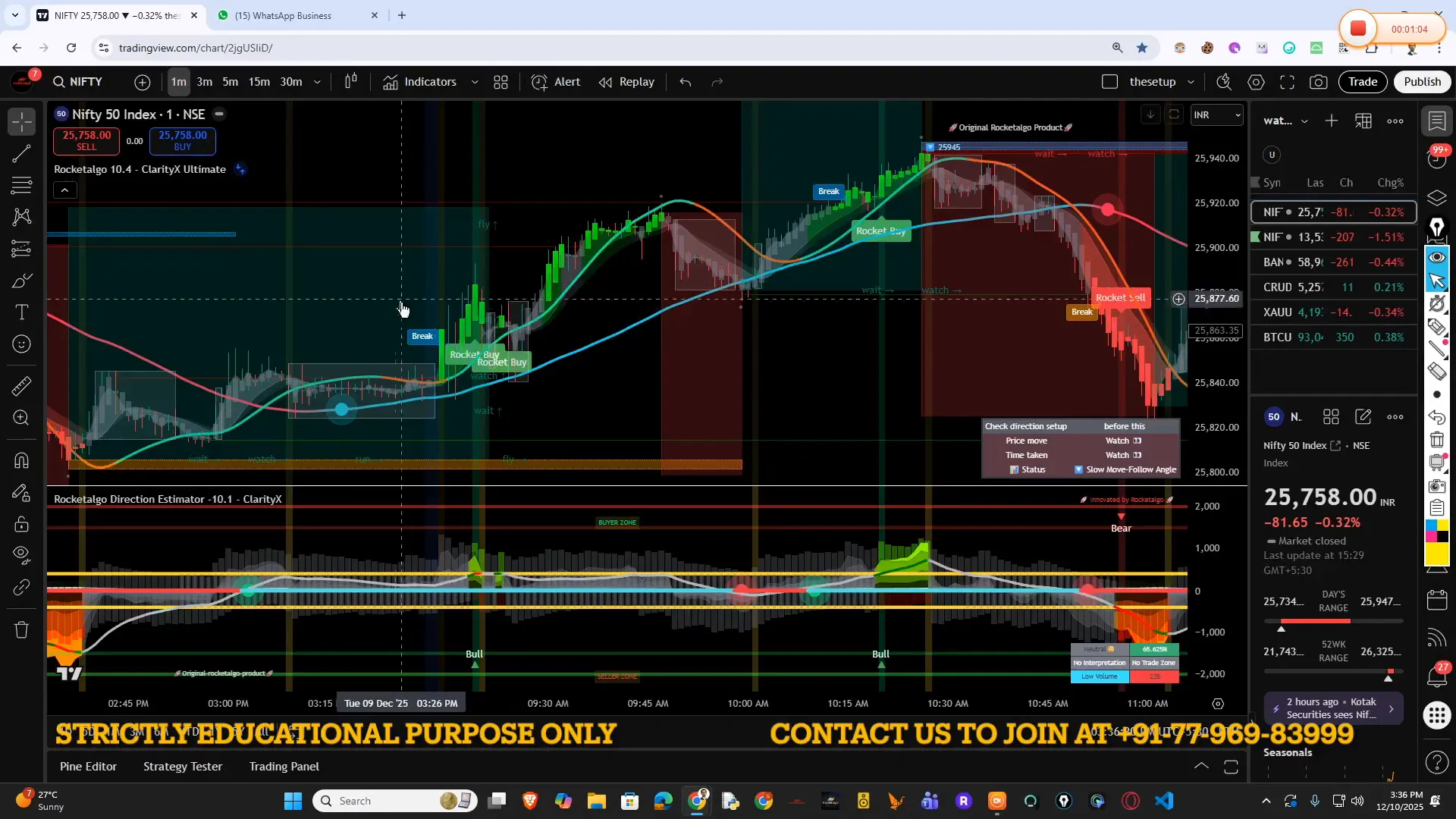
There are four clear signals I use together to decide whether a trade is worth taking. Each on its own can mislead; together they form a robust filter.
- Direction parameter — tells you what big players and institutions are leaning toward. If institutional flows align with your trade direction, you have a higher probability setup.
- Money flow line — shows public sentiment and net buying versus selling over a period. A steady inflow supports continuation trades, while heavy outflow warns of reversals.
- Candles and technical structure — price action and breakout levels that technical traders watch. These give you the tactical entry and stop areas.
- Options premium / price-action combination — especially important for index options like Nifty. Premium charts can reveal where option sellers and buyers are positioned, giving clues on expected moves.
These components are applied as a combined logic. When they line up, the trade transforms from a guess to a plan. That plan is what I follow every trading day.
📊 Examples that show the system working
Concrete examples help you understand how a setup translates into money. Here are the types of trades to notice and how performance shows up in real terms.
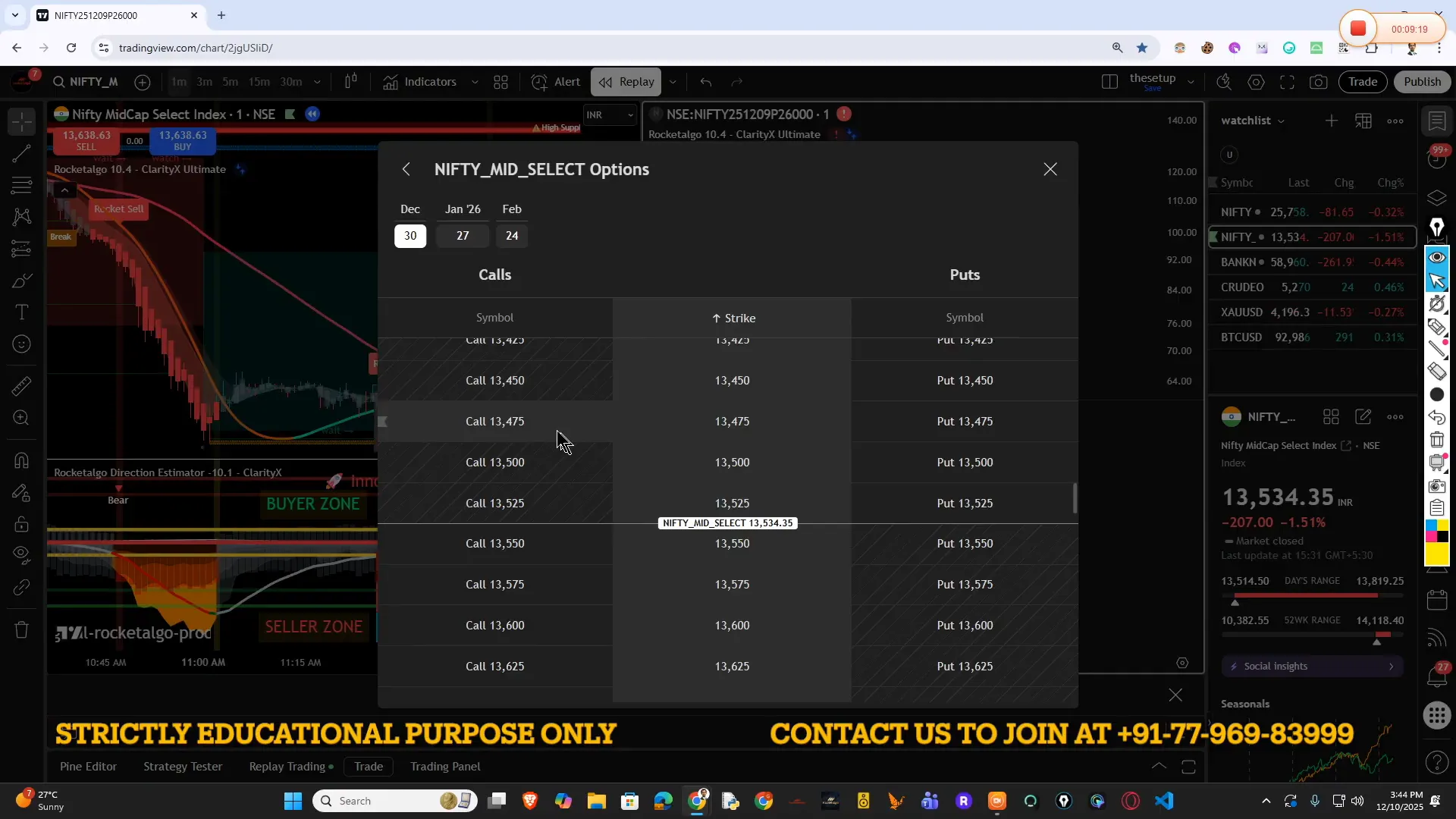
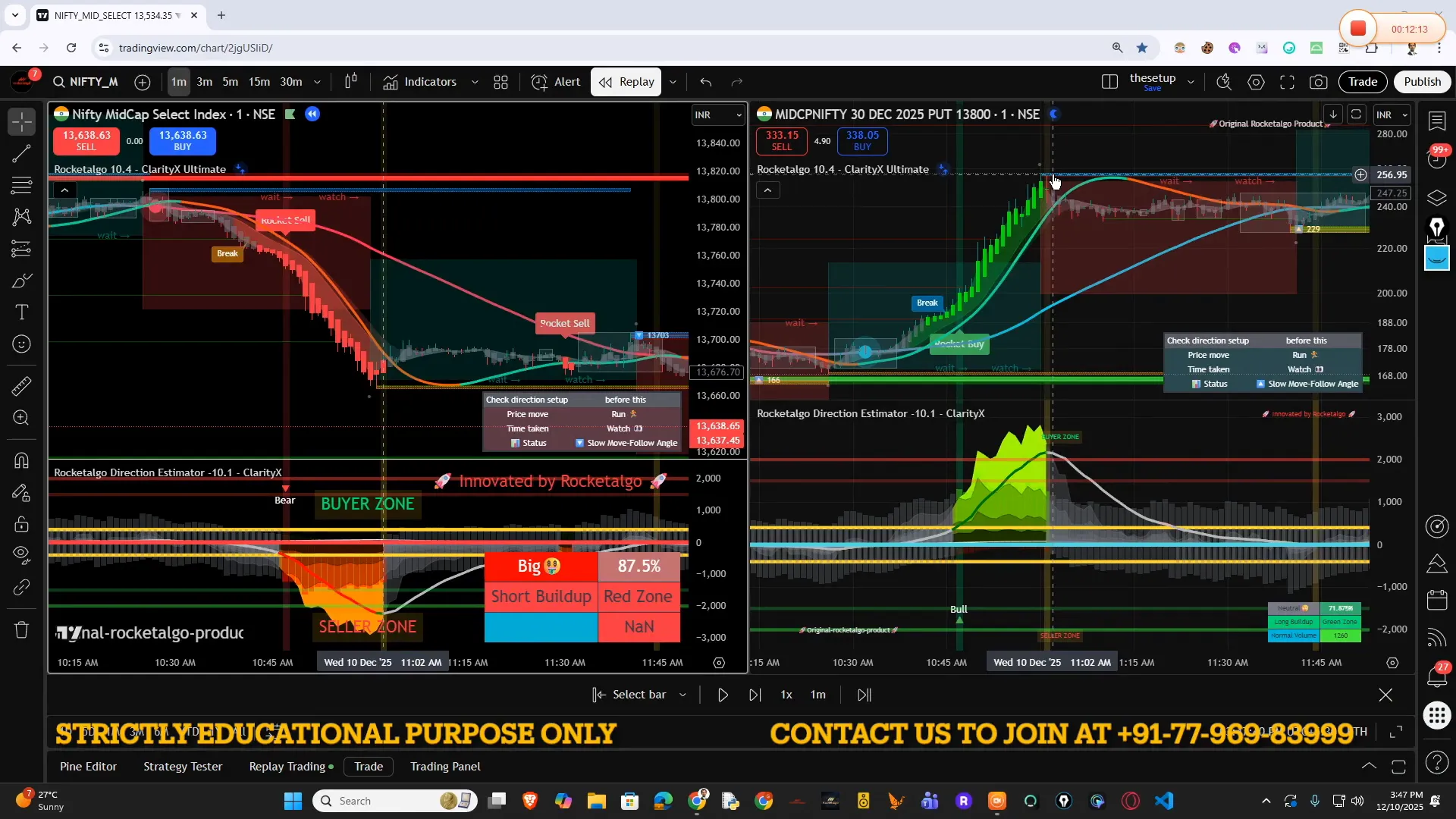
- Midcap option put captured a 56-point move on the premium chart. That kind of move translates into substantial rupee gains per lot when the setup is followed with correct lot sizing.
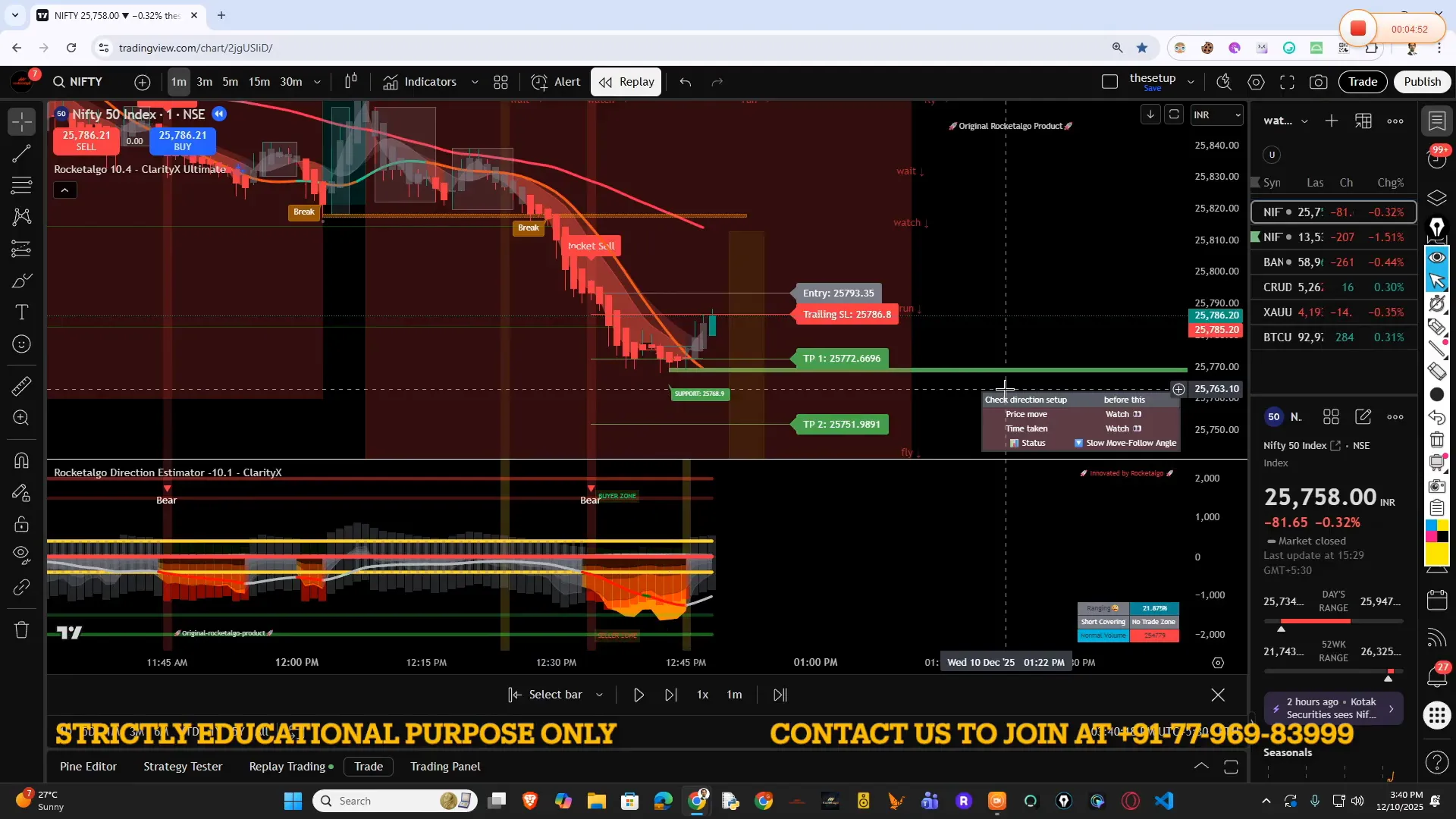
- A Nifty breakout trade executed after a clean directional confirmation and money flow alignment resulted in a continuous downtrend and a neat profit booking point. Execution timing matters: sometimes giving the market one second to confirm avoids taking a losing leg.
- US market examples: small-cap stocks can explode intraday. A stock moving from $10 to $80 within a short period taught the importance of analysing liquidity and buyer-seller dynamics across geographies. International markets behave similarly in terms of participants—buyers and sellers always exist—but volatility and gap characteristics vary.
🔍 Options and Premium charts — why they matter for Nifty and Midcap
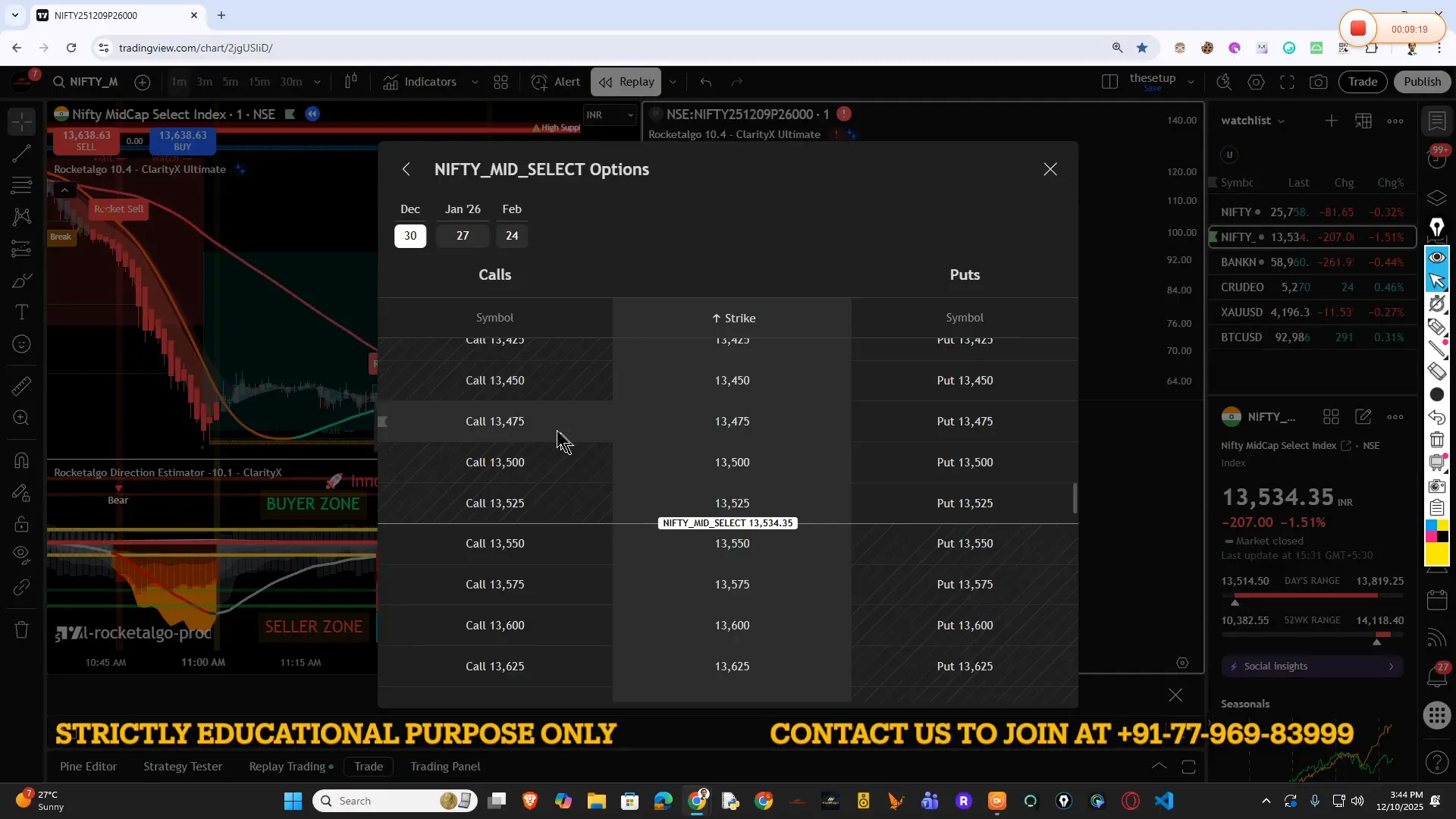
Options premium analysis is not optional for serious short-term traders. Premium charts reveal where pain points live for option writers and where potential gamma squeezes or pinning zones could form.
For Nifty and midcap option trading, watch the lot size, expiry, and open interest, then cross-check with the premium chart to confirm momentum. For example, a midcap put premium showing strength around a specific strike suggests institutional positioning and can validate a directional trade.
🛠️ Rules for execution and money management
Rules turn a plan into an outcome. Keep these practical rules handy.
- Size by risk, not ego — always size positions so that a full allowed stop does not wipe your account. Calculate position size based on stop-loss distance and your fixed risk per trade.
- Trade only when filters align — direction, money flow, candle structure and premium must agree. If one filter disagrees, skip.
- Use percentage thinking — evaluate performance in percentage return on capital. A 20% gain on a small base is better than staring at someone’s large absolute profit made with much bigger capital.
- Prefer multi-point moves — set a threshold for acceptable trade size (example: aim for trades that can yield 20 to 50 points for index options rather than chasing 5-10 point noise).
- Stop and review — if momentum fails in the first 2–3 candles after entry, don’t force the trade. Some trades devolve into choppy lateral ranges with no edge.
🧠 Mindset shifts that matter
People often focus on the amount they made today and compare it to others. That destroys long-term progress. Replace amount-focused thinking with percentage and process-focused thinking.
- Track percentage return per trade and per week. A 20% return on your capital is far more important than someone else’s large absolute profit using far more capital.
- Accept small, consistent wins. Over time this compounds into sizable gains without emotional stress.
- Practice deliberately. Paper trade or use small lots while you refine execution with the setup. Consistent practice over a few weeks creates muscle memory and reduces mistakes.
📒 How to keep a trading journal that actually improves performance
A trading notebook is non-negotiable. Write down what you did and why. Be specific. Do not rely on memory.
- Buy a quality notebook and dedicate it solely to trading notes.
- Structure entries: date, instrument, direction, entry price, stop, target, lot size, rationale (which filters aligned), and outcome.
- Write a short list of mistakes you made that day. Common mistakes repeat. Note them and track whether they recur.
- Review weekly and chart recurring errors: early entries, late entries, misreading options premium, incorrect lot sizing are typical examples.
🧩 Practical checklist before you place a trade
Use this quick checklist to avoid common mistakes and stick to the system.
- Is the overall direction supported by institutional flow? (Yes/No)
- Does the money flow line confirm buyer or seller strength?
- Is price action confirming a breakout or structured move, not random noise?
- Do options premiums reflect the same directional bias for the selected expiry and strike?
- Is the risk per trade within your pre-defined limit? (Never risk more than you can afford.)
- Do you have a clear stop and target before entry?
💡 Avoiding scams and noise
The market is full of people offering miracle returns. The right response is simple: verify, practice, and rely on your rules. If someone asks for money promising outsized daily returns, treat it as a red flag. Verify strategies via backtests or small live trades first. Screenshots can be fabricated; percentage understanding cannot be faked.
Always verify any third-party tips against your filters. If the tip fails your checklist, do not trade it. Trust process, not personalities.
🔁 Practice plan for the next 30 days
If you want to convert knowledge into reliable results, follow this 30-day practice plan.
- Week 1: Paper trade the setup. Log every decision and the filter that supported it.
- Week 2: Trade with micro-lots. Stick rigidly to stops and use the checklist before every trade.
- Week 3: Increase lot sizing within risk rules if your win rate and expectancy are positive.
- Week 4: Review journal, identify top 3 recurring mistakes, and implement corrective actions.
🔎 Real-talk on expectations and time
Results take time. Unrealistic chase of big returns leads to reckless sizing and emotional trading. Small consistent gains compound. If a trade setup offers 50 points on premium charts, treat that as a win. Don’t celebrate a 5-point random move as a system victory.
Remember that markets are sometimes quiet and sideways. In those periods, either reduce size or step aside. Over-trading in no-trade zones is the fastest way to degrade an otherwise profitable strategy.
📚 Resources and next steps
To progress efficiently, couple your practice with guided sessions or an experienced mentor who can critique your journal and execution. Daily review and accountability accelerate improvement dramatically.
❓Frequently Asked Questions
What is the most reliable way to size positions for Nifty and midcap trades?
Size positions based on your fixed risk per trade. Determine the distance between entry and stop-loss, calculate the maximum rupee risk you accept, then set lot size so that risk does not exceed that number. This keeps one losing trade from eroding your account.
How do options premium charts help confirm trades?
Premium charts show where traders are paying to hold positions. Rising premium in a direction indicates demand for that exposure. When premium movement aligns with institutional flow and price breakout levels, the trade likelihood improves. Use premium as a confirmation, not the sole decision point.
Should I measure my performance in rupees or percentages?
Measure performance in percentage returns on the capital risked. Percentages are scale-invariant and accurately represent efficiency. Absolute rupee gains can be misleading because they depend on capital size.
How many filters should align before taking a trade?
Aim for at least three of the four main filters to align: direction parameter, money flow line, candle structure, and premium confirmation. When three align, you have a high-probability setup to consider executing with proper risk controls.
What mistakes should I track in my trading journal?
Track recurring entry and exit errors: entering too early, entering too late, misreading option strikes, using wrong lot sizing, and failing to respect stop-loss. Correcting the top three recurring mistakes yields the biggest improvement.
✅ Final checklist before you trade
Keep this one-page checklist near your screen and use it every single trade day. It will discipline your process and protect capital.
- Direction confirmed
- Money flow supportive
- Price action breakout or structure
- Premium/options alignment
- Lot size within risk limits
- Document trade in journal immediately
Trading on NSE, BSE, or international markets is about consistent application of a clear system. Use the filters described, practice on small sizes, journal your daily learning, and keep percentage returns as your north star. With time and disciplined practice, the noise fades and repeatability emerges.
Need more help |
|
Contact us by clicking the button below |
| Click me |