
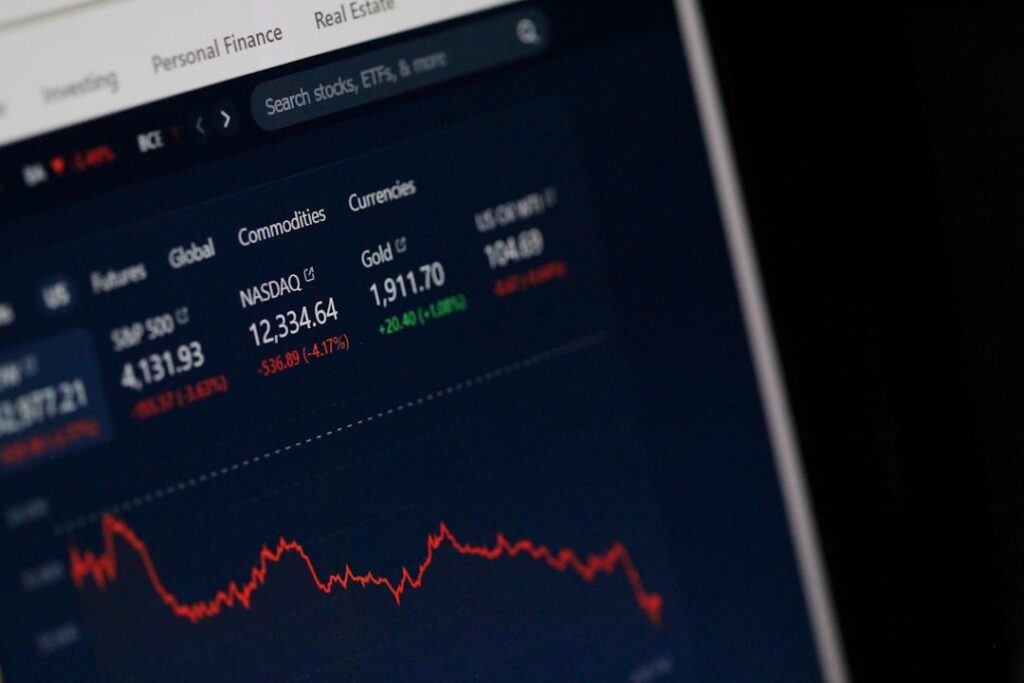
Welcome, discerning investor, to an exploration of the strategic landscape that financial markets are likely to present in 2026. As a property appraiser, I understand the intrinsic value of foresight and robust analysis in an increasingly complex environment. Just as a well-conducted appraisal provides a snapshot of an asset’s worth, so too must your strategic planning offer a clear picture of potential market movements and opportunities. The year 2026 promises a confluence of technological advancements, evolving regulatory frameworks, and shifting macroeconomic forces, demanding a sophisticated approach to trading across various asset classes. This article aims to provide a factual and analytical overview of trading strategies pertinent to stocks, forex, crypto, options, and futures, drawing insights from anticipated industry discussions and events.
The stock market in 2026 will likely be characterized by persistent innovation and a re-evaluation of traditional valuation metrics. As evidenced by prominent events like MoneyShow Las Vegas 2026, the focus will remain on identifying growth sectors and adapting to new market dynamics.
The Rise of AI and Technology-Driven Equities
Artificial intelligence (AI) is no longer a nascent technology; it is a foundational pillar reshaping numerous industries. In 2026, expect AI to drive significant advances across sectors, from healthcare to industrial automation.
- Investment in AI Infrastructure: Companies providing the underlying infrastructure for AI, such as semiconductor manufacturers, cloud computing providers, and data analytics firms, will likely offer robust growth opportunities. Strategic investors will be looking for firms with patented technologies and strong market penetration.
- AI-Enhanced Sectorial Growth: AI’s integration into traditional sectors will create efficiencies and new revenue streams. For instance, AI in biotechnology could accelerate drug discovery, while AI in finance improves algorithmic trading and risk management. Identifying companies that are early adopters and successful integrators of AI will be key.
- Ethical AI and Governance: The increasing prevalence of AI will bring forth greater scrutiny regarding its ethical implications and governance. Investors should consider companies that are proactively addressing these concerns, as regulatory compliance and public trust will become significant competitive advantages. The discussions at Future Alpha 2026 regarding AI governance underscore this emerging importance.
Volatility Modeling and Risk Management in Equities
The markets are unlikely to be a smooth ascent; volatility is an intrinsic characteristic. Understanding and modeling this volatility is crucial for capital preservation and opportune entry/exit points.
- Advanced Statistical Models: Beyond standard deviation, traders will utilize more sophisticated volatility models, including GARCH and EGARCH variations, to predict potential price swings with greater accuracy. These models offer a probabilistic framework for understanding market temperament.
- Scenario Analysis and Stress Testing: Developing comprehensive scenario analyses for portfolios, incorporating various macroeconomic shocks and geopolitical events, will be paramount. Stress testing, a practice refined in institutional finance, will become increasingly accessible and vital for individual and professional traders alike.
- Leveraged ETFs and their Nuances: Leveraged Exchange Traded Funds (LETFs) will continue to offer amplified exposure to specific market segments. However, their use requires a deep understanding of their daily rebalancing mechanism and decay over longer periods. MoneyShow Las Vegas 2026 highlights these instruments, emphasizing the need for meticulous risk management when incorporating them into a strategy.
For those interested in enhancing their trading strategies across various markets, a related article that delves into a repeatable intraday framework specifically for Nifty Midcap options can provide valuable insights. This resource outlines effective techniques that can be applied to optimize trading performance. To read more about these strategies, visit the article here: Repeatable Intraday Framework for Nifty Midcap Options.
Mastering Forex Markets in 2026
The foreign exchange market, the largest and most liquid financial market globally, will continue to be influenced by global macroeconomic trends, central bank policies, and geopolitical events. Its 24/5 nature demands constant vigilance and a robust understanding of fundamental and technical drivers.
Geopolitical Influence and Macroeconomic Indicators
Currency valuations are often a direct reflection of a nation’s economic health and political stability.
- Central Bank Divergence: Interest rate differentials between major economies will remain a primary driver of currency movements. Traders will dissect forward guidance and monetary policy statements for clues on future rate hikes or cuts, impacting carry trade strategies.
- Trade Wars and Sanctions: Geopolitical tensions and evolving trade relationships can significantly impact a nation’s currency. Monitoring international trade agreements, tariffs, and sanctions will be integral to forecasting currency strength.
- Commodity Prices and Commodity Currencies: Currencies of commodity-exporting nations (e.g., AUD, CAD) are closely tied to global commodity prices. Fluctuations in oil, metals, and agricultural commodities will directly influence these currency pairs.
Algorithmic Trading and Quantitative Strategies
The sheer volume and speed of transactions in forex make it a prime candidate for algorithmic and quantitative strategies.
- High-Frequency Trading (HFT): While often institutional, HFT strategies focusing on latency arbitrage and market making will continue to influence market microstructure. Retail traders can indirectly benefit by understanding how HFT impacts liquidity and short-term price movements.
- Trend Following and Mean Reversion Algorithms: Automated systems designed to identify and capitalize on long-term trends or exploit short-term deviations from the mean will be critical. The sophistication of these algorithms will increase, incorporating machine learning for adaptive parameter optimization.
- Sentiment Analysis through Natural Language Processing (NLP): Analyzing news feeds, economic reports, and social media for market sentiment using NLP can provide an edge. Algorithms can identify real-time shifts in investor mood, predicting short-term price reactions.
Unlocking Opportunities in Crypto Markets by 2026
The cryptocurrency landscape is maturing rapidly, transitioning from a niche speculative asset to an increasingly integrated component of the broader financial system. The discussions at CFA Chicago Vault Series: 2026 Crypto Outlook and Future Alpha 2026 underscore this institutional shift.
Institutional Integration and Regulatory Evolution
The entry of traditional finance into the crypto space is a significant trend that will define 2026.
- Spot ETFs and Institutional Adoption: The approval of spot Bitcoin and Ethereum ETFs has opened doors for broader institutional investment. Asset managers will develop advanced strategies for hedging, arbitrage, and long-term allocation in these vehicles, thereby increasing market liquidity and reducing volatility.
- Regulatory Clarity and Compliance: Governments worldwide are striving to establish clearer regulatory frameworks for digital assets. Enhanced regulation, while potentially restrictive in some areas, will also foster greater trust and facilitate institutional participation. Traders need to stay abreast of jurisdictional specifics to navigate potential compliance risks.
- Decentralized Finance (DeFi) Evolution: DeFi protocols will continue to innovate, offering new financial products and services. However, regulatory scrutiny on DeFi will likely intensify, especially concerning anti-money laundering (AML) and know-your-customer (KYC) requirements.
Advanced Crypto Trading Strategies
Beyond simple buy-and-hold, 2026 will demand more nuanced approaches for crypto assets.
- Basis Trading and Funding Rate Arbitrage: For futures and perpetual contracts, exploiting the difference between spot and futures prices (basis) or the funding rates for perpetual swaps can generate consistent returns with relatively low risk, assuming adequate capital and execution.
- Yield Farming and Staking Optimization: Participating in DeFi yield farming and staking opportunities will require careful evaluation of smart contract risks, impermanent loss, and the sustainability of high Annual Percentage Yields (APYs). Strategies will evolve to optimize returns across various protocols while mitigating risks.
- Cross-Asset Strategies with Digital Assets: The integration of crypto into multi-asset portfolios discussed at Future Alpha 2026 indicates a trend towards incorporating digital assets with traditional ones. This could involve using crypto as a hedge against inflation, diversifying a traditional equity portfolio, or even arbitrage between crypto and traditional asset classes.
Leveraging Options for Enhanced Returns and Risk Management

Options contracts, with their inherent leverage and versatility, will remain an indispensable tool for traders in 2026, offering strategies for income generation, speculation, and risk mitigation. The Cboe RMC 2026 highlights the ongoing innovation in this space.
Volatility Trading and Implied Volatility Analysis
Options prices are inherently linked to future expected volatility. Understanding and trading volatility is a core tenet of options strategies.
- VIX and Volatility Indices: Monitoring volatility indices like the VIX (for the S&P 500) or RVX (for Russell 2000) provides real-time insights into market sentiment and anticipated price swings. Traders can use these indices to time entries and exits for volatility-centric strategies.
- Vega Trading: Strategies that profit from changes in implied volatility (Vega) will be prominent. This includes buying or selling volatility through straddles, strangles, or utilizing volatility ETNs/ETFs.
- 0DTE Options Strategies: Zero-Days-To-Expiration (0DTE) options, which are gaining significant traction, offer extreme leverage and rapid profit/loss potential. MoneyShow Las Vegas 2026 underscores their growing use. These require precise timing and robust risk management due to their exponential time decay (theta) and sensitivity to price movements (gamma). Developing sound exit strategies for 0DTE trades is paramount.
Income Generation and Hedging Strategies
Options can be employed to generate consistent income or protect existing portfolios.
- Covered Calls and Cash-Secured Puts: These foundational strategies will continue to be popular for income generation, particularly in sideways or moderately bullish/bearish markets. They require a disciplined approach to strike selection and expiration dates.
- Spreads and Combinations: Vertical spreads (bull call, bear put, credit, debit spreads) and more complex combinations like iron condors or butterflies allow traders to define both maximum profit and loss, making them suitable for traders with specific market outlooks and risk tolerances.
- Portfolio Hedging with Puts: Purchasing protective puts against an equity portfolio can act as an insurance policy, limiting downside risk during market downturns. The cost of this insurance needs to be weighed against the potential for large losses.
As you delve into the intricacies of trading strategies for 2026, you might find it beneficial to explore additional resources that provide insights into market trends and analysis. One such article discusses the daily market overview, offering valuable perspectives that can complement your understanding of stocks, Forex, crypto, options, and futures. You can read more about it in this daily market overview, which highlights key developments and strategies that could enhance your trading approach.
Profiting from Futures Markets in 2026
| Trading Market | Strategy Type | Expected Annual Return (%) | Risk Level | Time Horizon | Key Indicators |
|---|---|---|---|---|---|
| Stocks | Momentum Trading | 12-18 | Medium | Short to Medium Term | Moving Averages, RSI, Volume |
| Forex | Carry Trade | 6-10 | Low to Medium | Medium to Long Term | Interest Rate Differentials, Trend Analysis |
| Crypto | Algorithmic Trading | 20-30 | High | Short Term | Volume, Volatility, Order Book Data |
| Options | Iron Condor | 8-12 | Medium | Short to Medium Term | Implied Volatility, Time Decay |
| Futures | Trend Following | 10-15 | Medium to High | Medium Term | Moving Averages, MACD, Volume |
Futures contracts offer a highly liquid and leveraged way to trade commodities, indices, and currencies. The emphasis at Cboe RMC 2026 on risk management strategies underscores the amplified nature of futures trading.
Commodity Futures and Macroeconomic Themes
Commodity markets are often barometers of global economic health and can offer diversification benefits.
- Energy Futures (Crude Oil, Natural Gas): Global supply-demand dynamics, geopolitical events in energy-producing regions, and the transition to renewable energy will significantly influence energy prices. Traders will analyze inventory reports, weather patterns, and OPEC+ production decisions.
- Precious Metals (Gold, Silver): Gold and silver often act as safe-haven assets during economic uncertainty or geopolitical turmoil. Their price movements are also influenced by real interest rates and inflation expectations.
- Agricultural Futures: Weather patterns, crop yields, and global demand for staples like corn, wheat, and soybeans will drive these markets. Climate change and sustainable farming practices will introduce new variables into agricultural commodity analysis.
Index and Currency Futures Strategies
Trading futures on stock indices and currency pairs provides exposure to broader market trends with high liquidity.
- Index Futures for Macro Trading: E-mini S&P 500 futures, for example, are highly liquid and offer a way to speculate on the overall health of the US equity market or to hedge large stock portfolios. Technical analysis combined with macroeconomic forecasting will be essential.
- Currency Futures for Hedging and Speculation: For international businesses, currency futures provide a means to hedge against adverse exchange rate movements. Speculators can utilize them to profit from anticipated shifts in global currency pairs, often mirroring strategies in the spot forex market but with standardized contract sizes and centralized clearing.
- Systematic Macro and Quantitative Futures Strategies: Future Alpha 2026 highlights systematic macro strategies for institutional investors. These involve developing algorithms to identify trends, momentum, and mean reversion in futures contracts across various asset classes, often employing machine learning to refine models and manage risk dynamically.
As investors look ahead to 2026, it’s essential to stay informed about the latest trading strategies across various markets. A related article that delves into market trends and insights can be found in the RocketAlgo Market Recap, which provides a comprehensive overview of recent developments in stocks, Forex, crypto, options, and futures. You can read more about these insights in their latest recap here. This information can be invaluable for traders seeking to refine their strategies for the upcoming year.
Adopting a Professional Trader’s Mindset
Irrespective of the asset class you choose to specialize in, the professional trader’s mindset, as emphasized by events like the Active Trader Show 2026, is crucial. This involves more than just understanding technical indicators; it requires discipline, emotional control, and continuous learning.
Risk Management as the Cornerstone
Just as a sturdy foundation is critical for a building, comprehensive risk management is the bedrock of consistent profitability.
- Position Sizing and Capital Allocation: Never risk more than a small percentage of your trading capital on any single trade. Proper position sizing protects against catastrophic losses and allows you to survive drawdowns.
- Stop-Loss Orders and Take-Profit Targets: Implementing clear entry and exit points is not optional; it is fundamental. Adhering to pre-defined stop-loss orders prevents small losses from becoming large ones, while take-profit targets ensure you capture gains.
- Portfolio Diversification: Spreading capital across different asset classes, strategies, and even uncorrelated instruments acts as a natural hedge, reducing overall portfolio volatility.
Continuous Learning and Adaptation
The financial markets are dynamic, constantly evolving. Stagnation is a path to obsolescence.
- Staying Informed: Regularly consume high-quality financial news, economic reports, and industry analysis. Events like MoneyShow and Cboe RMC provide valuable insights into emerging trends and strategies.
- Backtesting and Forward Testing: Before deploying any new strategy with real capital, rigorously backtest it on historical data and, if possible, forward test it in a simulated environment. This provides confidence in the strategy’s viability.
- Journaling and Performance Review: Maintain a detailed trading journal, recording every trade, the rationale behind it, and the emotional state at the time. Regularly reviewing this journal helps identify patterns, rectify mistakes, and refine your approach.
In conclusion, for the discerning investor navigating the financial markets in 2026, success will hinge on a multi-faceted approach. By combining an understanding of macro-level trends with granular insights into specific asset classes and adopting a rigorous, disciplined mindset, you can position yourself to capitalize on the dynamic opportunities that lie ahead. The future is not just about what you trade, but how you trade it.
FAQs
What are the key trading strategies to consider in 2026 for stocks?
In 2026, effective stock trading strategies include a mix of technical analysis, fundamental analysis, and algorithmic trading. Traders often focus on momentum trading, value investing, and dividend growth strategies, while also leveraging AI-driven tools to identify market trends and optimize entry and exit points.
How can traders approach Forex trading strategies in 2026?
Forex traders in 2026 typically use strategies such as carry trading, scalping, and trend following. Incorporating economic indicators, geopolitical events, and central bank policies remains crucial. Additionally, automated trading systems and machine learning models are increasingly popular for managing risk and improving trade accuracy.
What are the popular crypto trading strategies expected in 2026?
Popular crypto trading strategies in 2026 include swing trading, arbitrage, and decentralized finance (DeFi) yield farming. Traders also focus on technical indicators like RSI and MACD, while paying close attention to regulatory developments and blockchain technology advancements that impact market volatility.
How do options trading strategies evolve for 2026?
Options traders in 2026 often use strategies such as covered calls, protective puts, and iron condors to manage risk and generate income. The use of volatility forecasting models and options pricing algorithms helps traders optimize their strategies in response to changing market conditions and implied volatility.
What futures trading strategies are effective in 2026?
Effective futures trading strategies in 2026 include trend following, spread trading, and hedging. Traders utilize advanced data analytics and real-time market information to anticipate price movements in commodities, indices, and currencies, while also managing leverage and margin requirements carefully.

