
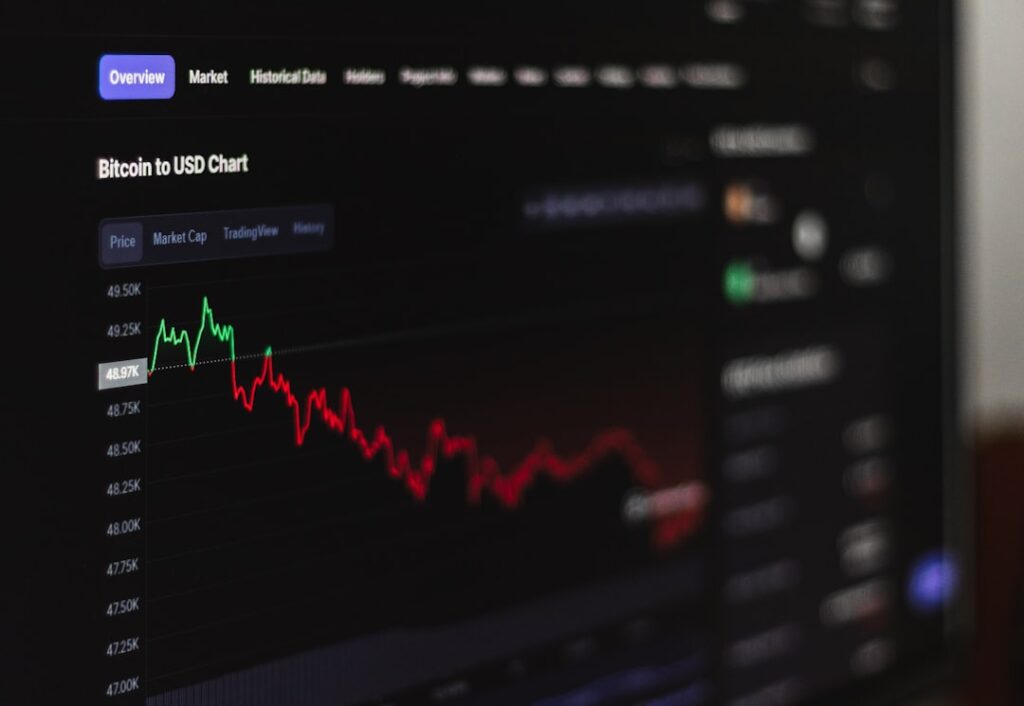
The enthralling world of stock market trading beckons with promises of financial freedom and considerable wealth. Yet, for many beginners, this journey often begins with stumbling blocks rather than stepping stones. As an experienced stock market professional, I’ve witnessed countless aspiring traders make similar, often avoidable, errors. It’s not about complex algorithms or insider information; more often than not, it’s about fundamental psychological and strategic discipline. This article aims to shed light on the top 10 trading mistakes every beginner trader should diligently avoid, leveraging insights from leading financial platforms and current best practices emphasizing psychology and robust risk management.
Trading is not gambling; it’s a strategic endeavor that demands meticulous planning and disciplined execution. Many beginners, lured by the allure of quick gains, often overlook these critical aspects, setting themselves up for inevitable losses.
Trading Without a Plan: The Blind Navigator
Imagine setting sail across a vast ocean without a map, compass, or a clear destination. This is precisely what trading without a plan entails. It’s a recipe for disaster. A well-defined trading plan acts as your roadmap, guiding your decisions and preventing impulsive actions.
What a Trading Plan Entails:
A comprehensive trading plan should articulate your strategy, entry and exit criteria, risk parameters, and even your emotional management techniques. It’s a living document that evolves with your experience and market understanding. Without it, you’re merely reacting to market fluctuations, driven by fear or greed. This reactive approach inevitably leads to inconsistent results and, more often than not, significant capital depreciation. Your plan should clearly define the assets you trade, the timeframes you operate within, your analytical tools, and most importantly, your risk per trade.
The Dangers of Haphazard Trading:
Without a plan, every market movement, every news headline, can trigger an emotional response, leading to erratic decisions. You might chase momentum, only to see the trend reverse, or panic sell at the bottom, missing a subsequent rebound. Such haphazard trading leads to significant monetary losses and erodes confidence, often causing beginners to abandon trading prematurely, convinced it’s “too hard” or “rigged.”
Poor Risk Management: Playing with Fire
Perhaps the most critical, yet frequently neglected, aspect of successful trading is risk management. Beginners often risk too much capital on a single trade or fail to implement protective measures, leaving their portfolios vulnerable to significant drawdowns.
The Peril of Excessive Risk:
Many novice traders risk an unjustifiably large percentage of their capital on individual trades, sometimes as high as 10% or more. A string of just a few losing trades can decimate their trading account. Industry best practices, echoed by platforms like IG and Charles Schwab, advocate risking no more than 1-3% of your total trading capital on any single trade. This conservative approach ensures that even a series of losses won’t wipe out your account, allowing you to learn and recover.
The Non-Negotiable Stop-Loss Order:
Failing to use stop-loss orders is akin to driving a car without brakes. A stop-loss order is an instruction to automatically close a trade if the price moves against you to a predetermined level. It’s your ultimate safety net, limiting potential losses. Beginners often either don’t use them at all or place them too far away, defeating their purpose. A meticulously planned stop-loss, based on your risk tolerance and the market’s volatility, is paramount. It protects your capital and removes the emotional burden of constantly monitoring the market.
In addition to understanding the top 10 trading mistakes every beginner trader should avoid, it’s essential to explore effective strategies that can enhance your trading skills. A related article that provides valuable insights is the one on the “Repeatable Intraday Framework for Nifty and Midcap Options,” which outlines a structured approach to trading in the fast-paced market environment. You can read more about it here: Repeatable Intraday Framework for Nifty and Midcap Options. This resource can help you develop a disciplined trading plan and avoid common pitfalls.
The Psychological Battlefield: Conquering Your Mind
The stock market isn’t just a battle of wits; it’s a psychological arena where emotions can be your greatest foe or your most powerful ally. Many beginners underestimate the mental fortitude required, allowing fear, greed, and overconfidence to dictate their actions.
Emotional Trading: The Tyranny of Feelings
Fear and greed are the two most powerful emotions in trading. Beginners frequently fall prey to their influence, making irrational decisions that lead to losses. Revenge trading, an attempt to recoup previous losses, is another destructive emotional trap.
Understanding Fear and Greed:
Fear manifests as panic selling during market downturns, or the hesitation to enter a promising trade. Greed, on the other hand, can lead to holding onto winning trades for too long, hoping for even larger gains, only to see profits evaporate, or making overly aggressive trades based on fleeting euphoria. These emotions cloud judgment, overriding any logical analysis or predefined trading plan. Learning to recognize and control these instinctive reactions is a cornerstone of disciplined trading.
The Trap of Revenge Trading:
After a losing trade, the natural human instinct is to “get back” what was lost. This often leads to revenge trading – a desperate attempt to quickly recover losses by taking on even greater risks. Revenge trades are almost always poorly planned, emotionally driven, and rarely successful, often leading to a spiral of even larger losses. Acknowledge your losses, learn from them, and move on. The market doesn’t care about your past performance.
Ignoring Psychology: The Inner Game
Beyond specific emotional outbursts, a broader failure to manage one’s mindset is a significant barrier for beginner traders. This includes harboring unrealistic expectations, comparing oneself to others, and neglecting the mental aspect of trading altogether.
Unrealistic Expectations and Instant Gratification:
The media often sensationalizes stories of overnight trading millionaires, creating an illusion that trading is a path to quick and effortless wealth. This fosters unrealistic expectations in beginners, who often get discouraged and give up when they don’t see immediate, massive returns. Trading is a skill that requires dedication, continuous learning, and patience. It’s a marathon, not a sprint.
The Peril of Comparison:
In the age of social media, it’s easy to fall into the trap of comparing your trading journey to others. Seeing seemingly effortless gains posted by others can lead to feelings of inadequacy, envy, or the desire to chase similar opportunities without proper due diligence. Remember, everyone’s trading journey is unique, and you rarely see the full picture of someone else’s successes and failures. Focus on your own growth and adhere to your own plan.
Operational Excellence: Discipline and Analysis
Even with a plan and a grip on emotions, beginners often stumble due to a lack of operational discipline. This includes neglecting data analysis, falling into the trap of overconfidence, or failing to conduct thorough research.
In the journey of becoming a successful trader, understanding the common pitfalls is crucial. For those looking to deepen their knowledge, a related article on risk management strategies can provide valuable insights. By exploring effective techniques, traders can enhance their decision-making skills and avoid the mistakes highlighted in the Top 10 Trading Mistakes Every Beginner Trader Should Avoid. To learn more about managing risks effectively, check out this informative piece on risk management strategies.
Not Tracking Data: The Blind Spot
How can you improve if you don’t know what you’re doing right or wrong? Skipping the crucial step of keeping a trading journal is a significant oversight for many beginners.
The Power of a Trading Journal:
A trading journal is more than just a record of your trades. It’s a comprehensive analytical tool where you document your entry and exit points, reasons for initiating and closing trades, the market conditions, your emotional state, and the outcome. Regularly reviewing this journal allows you to identify recurring patterns – both in your successful trades and your mistakes. Are you consistently making the same error? Are certain strategies more effective in specific market conditions? A journal provides invaluable insights that no amount of reading or external advice can replace. It transforms your trading from a series of isolated events into a structured learning process.
Identifying Mistakes and Refining Strategy:
Without a journal, your learning process is haphazard. You might repeat the same mistakes without even realizing it. The journal provides objective data to analyze your performance, allowing you to pinpoint weaknesses in your strategy, fine-tune your entry and exit rules, and manage your risk more effectively. It’s your personal trading coach, providing actionable feedback.
Overconfidence: The Double-Edged Sword
While confidence is essential, overconfidence in trading can be a dangerous foe. After a few successful trades, beginners often become complacent, leading them to disregard their trading plan and take on undue risks.
The Trap of Early Success:
Beginners who experience early success might develop a false sense of invincibility. They might attribute their wins solely to their skill, rather than factors like favorable market conditions or pure luck. This overconfidence often leads to abandoning risk management rules, increasing position sizes, or entering trades without adequate research. A few subsequent losses can be devastating, wiping out accumulated profits and eroding morale. Maintain humility; the market remains an unpredictable entity.
Ignoring Risk-Reward Ratios:
Overconfident traders often overlook the crucial risk-reward ratio, which dictates how much you stand to gain versus how much you stand to lose on a trade. They might take trades with poor risk-reward profiles, believing they can’t lose, or chase high-risk, high-reward opportunities without adequate analysis. Always evaluate the potential downside against the potential upside, regardless of your recent performance. A healthy risk-reward ratio (e.g., 1:2 or 1:3) ensures that even a moderate win rate can lead to overall profitability.
Failing to Research: The Unprepared Combatant
Trading without proper research is akin to going into battle blindfolded. Many beginners jump into markets or assets without understanding their fundamentals, current dynamics, or even the platforms they are using.
Due Diligence on Assets and Markets:
Before you place a single trade, thorough research is non-negotiable. This means understanding the company whose stock you’re buying, the fundamental factors influencing a currency pair, or the supply and demand dynamics of a commodity. It also involves understanding the broader market context – economic indicators, geopolitical events, and overall market sentiment. Relying solely on a “hot tip” or a quick glance at a chart is a recipe for ruin. Take the time to do your homework.
Vetting Your Broker:
Equally important is researching your trading broker. Beginners often choose a broker based solely on low fees or flashy marketing, without investigating their regulatory status, security measures, customer support, or the reliability of their trading platform. Ensure your broker is regulated by reputable authorities, offers transparent pricing, and provides robust tools and reliable execution. Your choice of broker significantly impacts your trading experience and the security of your funds.
Beyond the Obvious: Subtle Yet Destructive Habits
While the previous points cover core strategic, psychological, and analytical errors, there are other subtle habits that can derail a beginner’s trading journey.
Overtrading: The Noise Magnet
The urge to constantly be in the market, making trades, is a common pitfall for beginners. This “overtrading” leads to unnecessary transaction costs, increased exposure to market noise, and often, diminished profits.
The Illusion of More Activity, More Profit:
Many beginners mistakenly believe that the more trades they make, the more money they’ll earn. This couldn’t be further from the truth. Each trade incurs costs (commissions, spreads), and excessive trading exposes you to more random market fluctuations. Quality over quantity is a golden rule in trading. Focus on high-probability setups that align with your strategy, rather than chasing every minor price movement.
The Cost of Transaction Fees and Spreads:
Every trade you make involves costs. These can quickly erode your profits if you’re trading too frequently, especially with smaller position sizes. Overtrading can turn potentially profitable strategies into losing ones simply due to accumulated transaction fees and wider spreads. Be discerning about your trades and ensure each one aligns with a clear, high-probability reason.
Overleveraging: The Accelerated Downfall
Leverage, the ability to control a large amount of capital with a relatively small deposit, can amplify both profits and losses. Beginners often misuse it, leading to rapid account depletion.
The Double-Edged Sword of Leverage:
Leverage is a powerful tool, but it’s a double-edged sword. While it can magnify your gains on winning trades, it can just as effectively magnify your losses on losing trades, often leading to margin calls and forced liquidation of positions. Many brokers offer very high leverage, and beginners, unaware of the risks, use it excessively. This significantly increases their risk exposure, making small market movements against their position potentially catastrophic.
Rapid Account Depletion:
With high leverage, even a minor market fluctuation against your position can result in a significant percentage loss of your trading capital. This can quickly deplete your account, forcing you out of the market. Understand the implications of leverage and use it judiciously, if at all, especially as a beginner. A conservative approach to leverage is strongly recommended until you have a proven track record and deeper understanding of market dynamics.
Taking Profits Too Early: The Missed Opportunity
After patiently waiting for a trade to move in their favor, beginners often succumb to the fear that the market will reverse, leading them to exit winning trades prematurely. This “taking profits too early” can severely limit overall profitability.
The Fear of Reversal:
The emotional fear of watching profits disappear is a powerful driver for early exits. While safeguarding profits is important, consistently exiting trades before they reach their full potential, as defined by your trading plan, leaves a lot of money on the table. A well-constructed trading plan should include clear exit strategies, such as trailing stops or profit targets, that allow winning trades to run for longer.
Letting Your Plan Work:
If your initial analysis and trading plan suggested a certain price target, trust your plan. Unless new information fundamentally changes the market outlook or triggers a predefined exit condition, stick to your strategy. Prematurely cutting short winning trades while letting losing trades run (due to fear or hope) is a common recipe for an unprofitable trading career. Let your winners run as far as your plan allows.
In conclusion, becoming a successful trader is a journey of continuous learning, discipline, and self-mastery. While the allure of quick wealth is strong, a pragmatic approach, anchored in sound strategy, meticulous risk management, and psychological resilience, is essential. By diligently avoiding these common pitfalls, beginner traders can significantly increase their chances of navigating the unpredictable waters of the stock market and building a sustainable and profitable trading career. Remember, the market rewards patience, discipline, and a commitment to continuous improvement.
FAQs
What are some common trading mistakes that beginner traders should avoid?
Some common trading mistakes that beginner traders should avoid include overtrading, not having a trading plan, ignoring risk management, letting emotions dictate trading decisions, and not doing proper research.
How can overtrading be detrimental to a beginner trader?
Overtrading can be detrimental to a beginner trader as it can lead to increased transaction costs, emotional exhaustion, and impulsive decision-making. It can also result in a lack of focus on quality trades and a higher potential for losses.
Why is having a trading plan important for beginner traders?
Having a trading plan is important for beginner traders as it provides a structured approach to trading, helps in setting clear goals and objectives, and assists in managing risk. It also helps in maintaining discipline and consistency in trading decisions.
What role does risk management play in trading for beginner traders?
Risk management plays a crucial role in trading for beginner traders as it helps in protecting capital, minimizing potential losses, and preserving trading funds for future opportunities. It also allows traders to stay in the game for the long term.
How can beginner traders avoid letting emotions dictate their trading decisions?
Beginner traders can avoid letting emotions dictate their trading decisions by sticking to their trading plan, setting predefined entry and exit points, using stop-loss orders, and practicing mindfulness and emotional control. Additionally, taking regular breaks and seeking support from mentors or trading communities can also help in managing emotions.

