
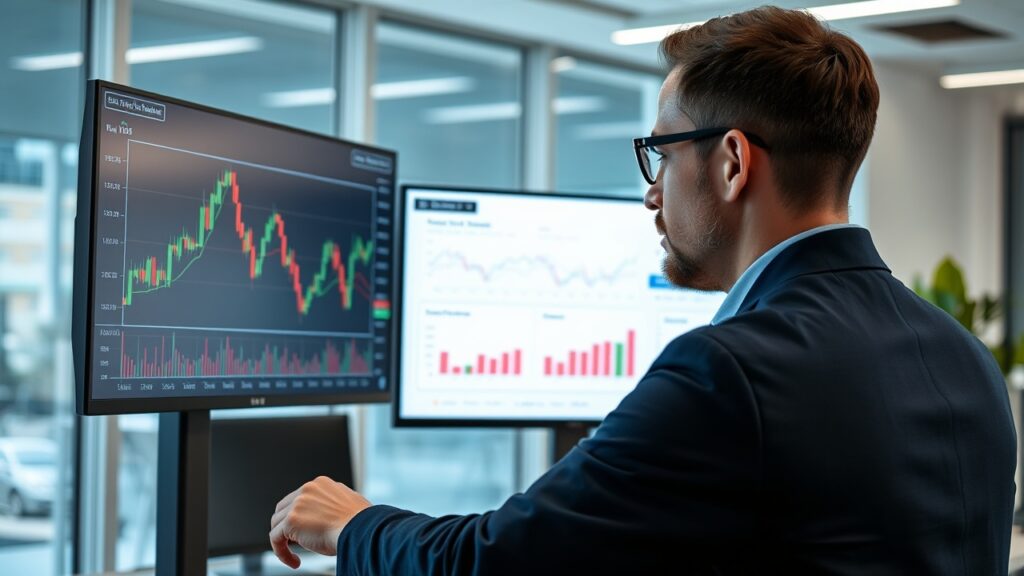
In the dynamic world of financial markets, every seasoned trader understands that intuition alone is a recipe for inconsistency. The relentless pursuit of an edge necessitates a robust, data-driven approach, and at the heart of this approach lies backtesting. For those leveraging the powerful analytical capabilities of TradingView, mastering the art of backtesting a trading indicator is not merely an option but a critical component of their analytical toolkit. This process allows us to critically evaluate the historical performance of a trading indicator, scrutinizing its buy and sell signals against past market movements. It’s the equivalent of a scientist testing a hypothesis in a controlled environment before unleashing it upon the real world. Without this crucial step, any trading decision made based on an untested indicator is, at best, a gamble.
Backtesting, in its essence, provides a simulated environment to assess how a particular indicator would have performed if applied historically. This isn’t about predicting the future – no backtest can ever guarantee future results – but rather about understanding the statistical probability and characteristics of an indicator’s past performance. It reveals potential strengths, weaknesses, and the specific market conditions under which an indicator might thrive or falter. For the discerning trader, it’s about building confidence, refining parameters, and ultimately, constructing a trading plan with a foundation built on historical evidence, not just hopeful speculation.

