

The integration of Artificial Intelligence (AI) into financial markets is no longer a futuristic concept but a rapidly evolving reality. While the overarching promise of AI in trading is often discussed, a more granular application lies in its ability to identify and leverage high-probability trade setups. This article delves into how AI-based market structure analysis can provide traders with a more systematic and potentially profitable approach to identifying these setups, moving beyond subjective interpretations towards data-driven decision-making.
Market structure refers to the underlying patterns and relationships that govern the price movements of financial assets. Traditionally, traders have relied on technical indicators, chart patterns, and price action to interpret this structure. However, these methods are often susceptible to human bias, emotional decision-making, and the sheer volume of data in modern markets. AI offers a powerful new lens through which to view and dissect market structure, enabling the identification of subtle, complex, and recurring patterns that might otherwise go unnoticed.
Traditional Approaches and Their Limitations
For decades, traders have utilized tools like moving averages, support and resistance levels, trendlines, and classical chart patterns (e.g., head and shoulders, double tops/bottoms). These tools, while valuable, operate on predefined rules and visual recognition. Their effectiveness can diminish in volatile markets or when dealing with highly complex, multi-factoric price movements. Furthermore, the interpretation of these patterns can be subjective, leading to varied entry and exit points among different traders analyzing the same price chart.
The AI Advantage: Pattern Recognition at Scale
AI, particularly machine learning algorithms, excels at identifying complex, non-linear relationships within vast datasets. In the context of market structure, this translates to:
- Uncovering Hidden Correlations: AI can detect subtle correlations between different price levels, volume, time, and even external factors that human analysis might miss. This allows for a more holistic understanding of market dynamics.
- Identifying Probabilistic Outcomes: Instead of definitive predictions, AI can assign probabilities to various market scenarios based on historical data and current conditions, informing trade probability.
- Adapting to Market Regimes: Markets are not static. They shift between trending, ranging, and volatile states. AI models can be trained to recognize these regime shifts and adapt their analysis accordingly, identifying relevant market structures for each.
- Processing Unstructured Data for Context: As generative AI’s capabilities expand, its application in analyzing unstructured data like news feeds, social media sentiment, and economic reports becomes increasingly relevant. This can provide crucial context to observed market structures, enhancing the probability assessment of a trade setup. The projected growth of generative AI in trading, driven by alpha generation from such data, underscores this point.
In the realm of trading, understanding market dynamics is crucial for making informed decisions. A related article that delves into the intricacies of market behavior and offers valuable insights is titled “Navigating Market Realities: Trading Insights on NSE, BSE, Nifty, and Global Impacts.” This piece complements the concepts discussed in “High-Probability Trade Setups Using AI-Based Market Structure Analysis” by providing a broader context of how global events influence local markets. For more information, you can read the article [here](https://rocketalgo.in/navigating-market-realities-trading-insights-nse-bse-nifty-global-impacts/).
AI-Powered Identification of Trade Setups
The core of utilizing AI in trading lies in its ability to process vast amounts of data and identify patterns that are statistically likely to lead to favorable outcomes. When applied to market structure, AI can pinpoint specific configurations that have historically preceded significant price movements with a higher degree of certainty.
Algorithmic Identification of Price Action Patterns
AI algorithms can be trained on historical price data to recognize intricate price action patterns that often precede breakouts, reversals, or continuations. This goes beyond simple chart pattern recognition.
- Micro-Structure Analysis: AI can analyze price movements at a very granular level, identifying subtle shifts in order flow, liquidity vacuums, and order book imbalances that might signal an impending price move. This allows for the identification of setups that are invisible to the naked eye.
- Volume Profile and VWAP Integration: AI can intelligently integrate volume profile analysis and Volume Weighted Average Price (VWAP) into its market structure assessment. By understanding where significant trading volume has occurred and how price interacts with VWAP, AI can identify areas of strong conviction or potential capitulation.
- Higher-Order Pattern Recognition: Beyond two- or three-bar patterns, AI can identify more complex, multi-bar sequences and their implications for future price action. This could involve analyzing the interplay of momentum, consolidation, and volatility over extended periods.
Predictive Modeling of Support and Resistance
While traditional support and resistance levels are drawn manually, AI can identify dynamic and probabilistic support and resistance zones.
- Adaptive Support/Resistance: AI models can continuously recalculate support and resistance levels based on current market conditions, liquidity, and order flow. This makes them more responsive to market changes than static, manually drawn levels.
- Probability of Violation: Beyond identifying a level, AI can estimate the probability of that level being defended or broken. This is crucial for determining the risk associated with a trade based on these levels. For example, if AI identifies a resistance level and also predicts a high probability of it failing based on underlying order book dynamics, a breakout trade setup becomes more attractive.
- Multi-Timeframe Structure Synthesis: AI can analyze and synthesize market structure across multiple timeframes to identify confluence. A support level identified on a daily chart might be strengthened by an AI-detected bullish accumulation pattern on a 15-minute chart.
Sentiment and News Integration for Enhanced Probability
The recent developments in generative AI highlight its potential for processing unstructured data. This is a significant advancement in creating more robust and high-probability trade setups.
- Real-time Sentiment Analysis: AI can monitor news feeds, social media, and other text-based sources to gauge market sentiment in real-time. This sentiment data can then be correlated with price action and market structure.
- Identifying Sentiment-Driven Setups: A strong bullish sentiment, detected by AI, combined with a bullish technical setup (e.g., a breakout above resistance) can significantly increase the probability of a successful trade. Conversely, negative sentiment coinciding with a bearish technical pattern can signal a higher-probability short setup.
- Early Warning Systems: AI can act as an early warning system by detecting shifts in sentiment before they are fully reflected in price action. This allows traders to enter trades at more favorable entry points based on the evolving market narrative. The emphasis on cloud-based AI deployments for scalability in sentiment analysis further supports this.
Building High-Probability Trade Setups with AI
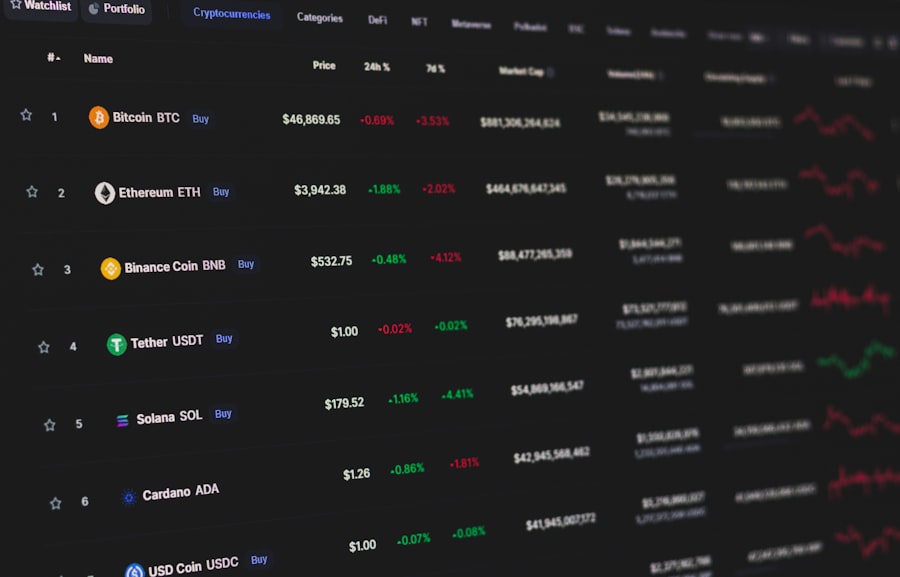
The true value of AI in this context is not just in identifying individual patterns but in synthesizing them into actionable trade setups with a demonstrably higher probability of success. This involves a careful combination of AI-driven insights and sound risk management principles.
Confluence of AI-Generated Signals
High-probability trade setups rarely rely on a single indicator or pattern. AI excels at identifying areas where multiple probabilistic indicators converge, amplifying the signal.
- Multi-Factoric Analysis: AI models can be designed to consider a multitude of factors simultaneously, including price action patterns, volume dynamics, macroeconomic indicators (as processed into structured data), and sentiment. A setup where all these factors align probabilistically is inherently higher probability.
- Identifying Bottlenecks and Liquidity Cracks: AI can pinpoint areas where liquidity is thin or where significant order flow imbalances exist. These “bottlenecks” often precede rapid price movements, and when combined with other bullish or bearish signals, they create high-probability breakout or reversal setups.
- Dynamic Weighting of Factors: AI can dynamically weight the importance of different factors based on prevailing market conditions. For example, in a news-driven market, sentiment analysis might be given higher weight, while in a macro-economic shift, fundamental data integration might be prioritized.
Incorporating AI Agents for Autonomous Execution
The emergence of AI agent-initiated payments and the growth of AI for financial data insights from entities like family offices signal a move towards more autonomous trading systems. This has significant implications for executing high-probability setups.
- Automated Trade Entry and Exit: Once a high-probability setup is identified and validated by the AI, an AI agent can be programmed to execute the trade automatically, removing human hesitation and emotional interference.
- Real-time Risk Management: AI agents can continuously monitor trade performance and market conditions. They can automatically adjust stop-losses, take-profits, or even exit a trade if the initial setup’s probability erodes due to new information or market shifts. This is crucial for preserving capital.
- Smart Order Routing and Execution: AI can optimize order execution by finding the best prices and minimizing slippage, especially in volatile markets. This directly impacts the profitability of any trade setup. The envisioned demos by Visa and Mastercard for AI agent-initiated payments suggest increasing integration of such capabilities into broader financial ecosystems.
Backtesting and Forward-Testing AI Models
Before deploying any AI-driven strategy in live trading, rigorous testing is paramount.
- Historical Backtesting: AI models must be rigorously backtested against historical data to assess their performance in identifying and capitalizing on past high-probability setups. This involves evaluating metrics like win rates, profit factors, and drawdowns.
- Out-of-Sample Testing: To avoid overfitting, models should also be tested on data that was not used during the training phase. This helps to ensure that the AI’s pattern recognition capabilities are robust and generalize well to unseen market conditions.
- Paper Trading and Live Monitoring: After backtesting, deploying the AI strategy in a paper trading environment allows for real-time validation without risking capital. Continuous monitoring of live trading performance is essential for identifying any degradation in the model’s effectiveness and for making necessary adjustments.
Quantifying Probability and Risk Management
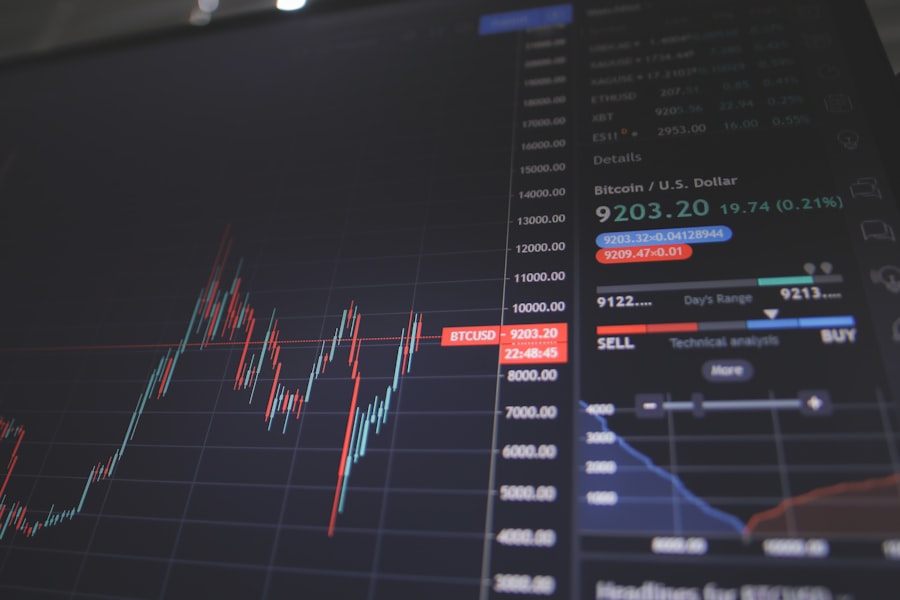
The ultimate goal is not just to identify setups but to trade them with a clear understanding of their probabilistic nature and to manage the associated risks effectively. AI can significantly enhance both aspects.
Probabilistic Entry and Exit Points
AI can go beyond simple “buy” or “sell” signals and provide a probabilistic range for optimal entry and exit points.
- Dynamic Target Zones: Instead of fixed take-profit levels, AI can identify dynamically calculated target zones with varying probabilities of being reached. This allows traders to adjust their profit targets based on the evolving conviction of the AI’s assessment.
- Probabilistic Stop-Loss Placement: AI can suggest stop-loss levels that are not arbitrary but are placed based on the statistical likelihood of the trade thesis becoming invalid. This helps in cutting losses quickly when the market moves against the setup.
- Time-Based Probability Decay: For certain setups, the probability of success might decay over time. AI can analyze this decay and suggest optimal holding periods or exit strategies if the initial bullish or bearish momentum wanes.
AI-Driven Risk Allocation
The amount of capital allocated to any given trade is as important as the trade itself. AI can assist in making more informed risk allocation decisions.
- Volatility-Adjusted Position Sizing: AI can analyze the expected volatility of an asset and adjust position sizing accordingly. Trades in highly volatile assets might require smaller position sizes to maintain a consistent risk exposure.
- Correlation Analysis for Portfolio Risk: For traders managing multiple positions, AI can analyze the correlations between assets. This allows for the construction of portfolios where diversification benefits are maximized, and overall portfolio risk is managed more effectively, even when executing individual high-probability setups.
- Dynamic Position Sizing Based on Setup Confidence: AI can infer the “confidence” of a particular trade setup based on the confluence of signals and historical performance. Trades with higher AI-assigned confidence might warrant larger allocations, within pre-defined risk parameters.
In the realm of trading, understanding market dynamics is crucial for success, and a related article that delves into daily market insights can provide valuable context. For those interested in enhancing their trading strategies, the article on daily market overview offers a comprehensive analysis that complements the concepts discussed in High-Probability Trade Setups Using AI-Based Market Structure Analysis. You can explore it further by visiting this daily market overview, which highlights key trends and potential opportunities in the stock market.
The Future of AI in Market Structure Analysis
| Trade Setup | Criteria | Success Rate |
|---|---|---|
| Breakout Trade | Price breaks through key resistance level with high volume | 75% |
| Pullback Trade | Price retraces to a support level after a strong uptrend | 80% |
| Trend Reversal Trade | Identification of trend reversal patterns using AI-based analysis | 70% |
The integration of AI into market structure analysis is a continuous journey. As AI technologies mature and data availability increases, its role will undoubtedly expand, leading to more sophisticated and potentially profitable trading strategies.
Evolving AI Architectures and Capabilities
The advancements in AI are rapid, with new architectures and techniques constantly emerging.
- Reinforcement Learning for Adaptive Strategies: Reinforcement learning algorithms can learn optimal trading strategies through trial and error, adapting to changing market conditions and continuously refining their approach to identifying and executing high-probability setups.
- Explainable AI (XAI) in Trading: As AI becomes more complex, the need for explainable AI will grow. Understanding why an AI model identifies a particular setup as high-probability fosters trust and allows for better human oversight and intervention when necessary.
- Hybrid AI Models: Combining different AI approaches, such as deep learning for pattern recognition and natural language processing for sentiment analysis, can create more powerful and comprehensive trading systems. The U.S. leading in AI model releases suggests a competitive environment driving these advancements.
Generative AI and the Alpha Frontier
The growing influence of generative AI in market trading is a significant trend to watch.
- Synthetic Data Generation for Training: Generative AI can create synthetic market data that mimics real-world market conditions. This can be invaluable for training AI models, especially in rare or extreme market scenarios where historical data might be limited.
- Automated Strategy Generation: Future iterations of generative AI might move beyond analyzing market structure to generating novel trading strategies based on identified patterns and desired risk-reward profiles.
- Enhanced Market Narrative Understanding: As generative AI improves its ability to understand and generate human-like text, its role in interpreting the evolving market narrative will become even more sophisticated, providing deeper context for trade setups.
Ethical Considerations and Responsible AI Deployment
While the potential of AI in identifying high-probability trade setups is substantial, it is crucial to approach its deployment with a strong ethical framework and a commitment to responsible practices.
- Avoiding Algorithmic Collusion: Ensuring that AI systems do not inadvertently lead to market manipulation or algorithmic collusion is paramount. Transparency and robust regulatory oversight will be key.
- Data Privacy and Security: With increasing reliance on data, safeguarding sensitive financial data used by AI models is a critical ethical and practical concern.
- Human Oversight and Accountability: While AI can automate many processes, human oversight remains essential. Traders and institutions must retain accountability for the trades executed based on AI-generated signals. The success of AI in identifying high-probability trade setups hinges on its ability to serve as a powerful tool in the hands of informed, disciplined traders, rather than a complete replacement for human judgment and risk management.
FAQs
What is AI-based market structure analysis?
AI-based market structure analysis refers to the use of artificial intelligence and machine learning algorithms to analyze market data, identify patterns, and predict future price movements in financial markets.
How does AI-based market structure analysis help in identifying high-probability trade setups?
AI-based market structure analysis helps in identifying high-probability trade setups by analyzing historical market data, identifying patterns and trends, and using predictive algorithms to forecast potential future price movements with a higher degree of accuracy.
What are high-probability trade setups?
High-probability trade setups are trading opportunities that have a higher likelihood of resulting in a profitable trade based on the analysis of market data, patterns, and trends. These setups are identified using various technical indicators and analysis methods, including AI-based market structure analysis.
How reliable is AI-based market structure analysis in identifying high-probability trade setups?
AI-based market structure analysis is considered to be reliable in identifying high-probability trade setups, as it leverages advanced algorithms and machine learning techniques to analyze vast amounts of market data and identify patterns that may not be easily recognizable through traditional analysis methods.
What are the benefits of using AI-based market structure analysis for trading?
The benefits of using AI-based market structure analysis for trading include improved accuracy in identifying trade setups, the ability to analyze large volumes of data quickly, and the potential for more informed and data-driven trading decisions. Additionally, AI-based analysis can help traders adapt to changing market conditions and improve overall trading performance.

