

The Average Directional Index (ADX) and its related Directional Movement Indicator (DMI) are powerful tools that can significantly enhance the accuracy of trading decisions. While often discussed in tandem, understanding their individual roles and how they complement each other is crucial for effective application. This article delves into how these indicators, particularly in light of recent market analyses and updated trading methodologies, can refine trade accuracy and lead to more consistent profitability.
The Average Directional Index (ADX) is a technical analysis indicator designed to measure the strength of a trend, rather than its direction. It oscillates between 0 and 100. A reading below 20 generally signifies a weak or non-existent trend, while readings above 25 have been consistently identified by market practitioners and even affirmed by entities like FXNX in 2026 as indicative of developing trends. Readings above 40, while signaling substantial trend strength, can also warn of potential exhaustion, a nuanced point for traders to consider.
The ADX is derived from two other indicators: the Positive Directional Indicator (+DI) and the Negative Directional Indicator (-DI). These are calculated over a specific period, typically 14 days.
The Role of +DI and -DI
The +DI measures the extent to which prices are moving upward, while the -DI measures the extent to which prices are moving downward.
Positive Directional Movement (+DI)
The +DI line rises when the current price’s high is greater than the previous period’s high, and the current period’s low is greater than the previous period’s low. This signifies upward momentum.
Negative Directional Movement (-DI)
Conversely, the -DI line rises when the current price’s low is lower than the previous period’s low, and the current period’s high is lower than the previous period’s high. This indicates downward momentum.
The ADX Calculation: A Synthesis of Directional Movements
The ADX itself is calculated from the +DI and -DI. Specifically, it represents the absolute difference between +DI and -DI, normalized and smoothed over a lookback period. This means the ADX effectively quantifies the degree of separation between upward and downward price movements. When +DI and -DI are close together, the ADX will be low, reflecting a lack of clear directional conviction. When they diverge significantly, the ADX will rise, indicating a strong directional bias.
In exploring the intricacies of trading strategies, the article on how ADX and Directional Strength improve trade accuracy can be further complemented by examining the principles of disciplined and repeatable trading methods. For a deeper understanding of these concepts, you can refer to the related article on disciplined trading practices, which emphasizes the importance of consistency in achieving long-term success in the markets. You can read more about it here: Disciplined and Repeatable Trading.
Leveraging ADX for Trend Strength Confirmation
One of the primary applications of the ADX is its ability to confirm the existence and strength of a trend. Market participants often struggle with distinguishing genuine, sustained trends from temporary price fluctuations or “whipsaws.” The ADX provides a quantitative measure to help make this distinction.
Defining Trend Strength Thresholds
Recent market analyses and guides, such as the 2026 DMI/ADX Guide, reiterate the importance of specific ADX levels for interpreting trend strength.
ADX Above 25: Signaling Developing Trends
A consistent ADX reading above 25 is a strong signal that a trend is not only present but also developing momentum. This threshold is widely accepted as a benchmark for identifying actionable trends in various markets. For instance, FXNX’s 2026 updates have solidified ADX’s position as a gold standard for trend strength assessment at this level [3]. This suggests that when the ADX is elevated, the underlying directional forces are gaining traction, making it more likely for the trend to continue.
ADX Above 40: Indicating Very Strong Trends
When the ADX pushes above 40, it signifies a very strong trend. While this can be advantageous for traders looking to capitalize on powerful moves, it also warrants caution. Extremely high ADX readings can sometimes precede trend reversals or periods of consolidation. A comprehensive understanding of market context and other indicators becomes vital at these elevated levels.
Distinguishing Trends from Sideways Markets
Low ADX values, typically below 20, are indicative of a trading range or a period where price action is consolidating with no clear directional bias. In such environments, trend-following strategies are generally less effective and can lead to frequent false signals. The ADX acts as a filter, helping traders avoid engaging in markets that lack the necessary directional conviction for their chosen strategies. This has been a recurring theme in recent trading insights, with lessons stressing the importance of avoiding trades when the ADX is below 20 [4].
The Power of Directional Crossovers with Rising ADX
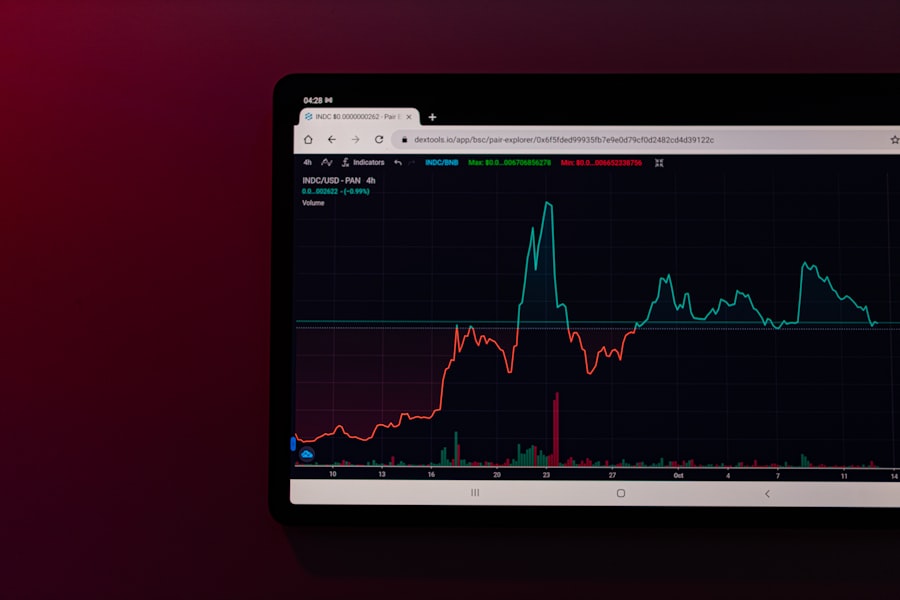
While the ADX itself measures trend strength, the relationship between the +DI and -DI provides crucial information about the direction of that trend. The true power of the DMI/ADX system emerges when these directional indicators are used in conjunction with the ADX itself, particularly during periods of rising ADX.
Identifying Bullish Crossovers
A bullish signal is generated when the +DI crosses above the -DI. This indicates that buying pressure is starting to outweigh selling pressure.
Validating Bullish Signals with ADX
However, a simple +DI/-DI crossover is not always sufficient for high-probability trades. The accuracy of these signals dramatically improves when accompanied by a rising ADX, especially when it moves above the 25 level. This confluence suggests that the bullish momentum is not only present but also gaining strength and is likely to persist. TradingView strategies have consistently highlighted this synergy for improved entry accuracy in volatile markets [9].
Identifying Bearish Crossovers
Conversely, a bearish signal occurs when the -DI crosses above the +DI, signifying increasing selling pressure.
Validating Bearish Signals with ADX
Similar to bullish signals, bearish crossovers gain significant reliability when the ADX is also rising and above 25. This combination confirms that the downward momentum is strengthening, making it a more robust signal for initiating short positions or exiting long positions.
The Importance of ADX in Confirming Crossover Reliability
The DMI/ADX Guide released in 2026 emphasizes that +DI/-DI crossovers, when accompanied by a rising ADX, are key to identifying reliable directional shifts [8]. This means that the crossover itself might occur even during weak or choppy markets, but the confirmation from a strengthening ADX filters out the less reliable signals. Traders who consistently look for these patterns are likely to experience a higher win rate.
Enhancing Trade Accuracy with Efficiency Filters

Modern trading methodologies increasingly focus on filtering out noise and concentrating on high-conviction setups. The ADX plays a pivotal role in creating these “efficiency filters,” as demonstrated by FXNX’s 2026 Pro Forex Trend Methods.
The ADX as an “Efficiency Filter”
FXNX’s methods utilize ADX readings above 25 as an “Efficiency Filter” when paired with other trend-identifying tools, such as Exponential Moving Average (EMA) slopes [3]. This approach aims to differentiate true trends from market noise.
Confirming Momentum with EMA and ADX
By requiring an ADX above 25, traders ensure that the market exhibits sufficient directional strength. When this is combined with the slope of an EMA (e.g., a rising EMA for an uptrend), it provides strong confirmation of sustained momentum. This dual validation significantly boosts the probability of trades succeeding because it filters out periods where prices might be moving in a particular direction but lack the underlying force to continue. This means the entry is not just based on a price move but on a price move that is backed by conviction.
Avoiding Whipsaws in Weak Trends
As mentioned earlier, trading in weak trends or consolidation phases (ADX < 20) is a common pitfall for many traders, leading to frequent losses due to "whipsaws."
Focusing Trades on High-Conviction Setups
The Barchart Webinar Insights highlight a practical application of this principle: an ADX > 25 with +DI > -DI avoids whipsaws in weak trends (<20) [4]. This means that instead of chasing every minor price fluctuation, traders are encouraged to wait for the ADX to confirm a robust trend before entering a position based on the DI crossover. This disciplined approach leads to fewer trades but a higher probability of success for each trade taken.
In exploring how ADX and Directional Strength can enhance trade accuracy, it is also beneficial to consider other strategies that traders can implement for better decision-making. A related article discusses various insights into stock market trading that can complement the use of ADX indicators. For more information on these strategies, you can read the full article here. This resource provides valuable tips that can further refine your trading approach and improve overall performance.
Practical Application and Strategy Integration
| Metrics | Definition | Importance |
|---|---|---|
| ADX (Average Directional Index) | A technical analysis indicator used to measure the strength of a trend. | Helps traders identify the strength of a trend, which can improve trade accuracy by confirming the presence of a strong trend. |
| Directional Strength | Measures the strength of the upward or downward movement of a security’s price. | Provides insight into the momentum of a trend, allowing traders to make more accurate trading decisions based on the strength of the price movement. |
The effective integration of the ADX and DMI into a trading strategy requires a clear understanding of their parameters and how they interact with market conditions.
Setting the ADX Lookback Period
The standard lookback period for the ADX is 14 periods. However, traders may adjust this period based on their trading style and the volatility of the asset they are trading. A shorter lookback period will make the ADX more sensitive to price changes, leading to earlier signals but potentially more false positives. Conversely, a longer lookback period will smooth out price action, leading to fewer signals but potentially more reliable ones.
Shorter Periods for Shorter Timeframes
For traders operating on shorter timeframes (e.g., 15-minute or 1-hour charts), a shorter ADX period (e.g., 7 to 10) might be considered to capture trends more quickly.
Longer Periods for Longer Timeframes
For longer-term trading (e.g., daily or weekly charts), a standard 14-period ADX or even a longer period (e.g., 20 to 25) can provide more robust trend identification.
Combining ADX/DMI with Other Technical Tools
While the ADX and DMI are powerful on their own, their effectiveness is amplified when combined with other technical indicators and analysis methods.
Moving Averages for Trend Confirmation
As mentioned in the FXNX methods, combining the ADX with moving averages (such as EMAs or SMAs) can provide a comprehensive view of trend strength and direction. A rising ADX above 25, coupled with price trading above an upward-sloping moving average, offers a strong bullish confirmation.
Support and Resistance Levels for Entry and Exit Points
Identifying key support and resistance levels provides context for ADX/DMI signals. A bullish DI crossover occurring near a strong support level, confirmed by a rising ADX, can be a powerful entry signal. Conversely, a bearish crossover near resistance, with the ADX indicating trend exhaustion, could signal a potential exit or shorting opportunity.
Candlestick Patterns for Entry Timing
Candlestick patterns can offer more precise entry points within a confirmed trend. For example, a bullish engulfing pattern forming on a daily chart after a +DI crossover and a rising ADX above 25 can be a highly accurate entry signal.
Case Study Example (Hypothetical): Trading MSFT
Consider a hypothetical scenario with Microsoft (MSFT) stock. If the daily chart shows the ADX steadily rising and moving above 25, it signals a strengthening uptrend. If, concurrently, the +DI crosses above the -DI, this provides a potential buy signal. To further refine this, if MSFT is also trading above key upward-sloping moving averages (e.g., 50-day and 200-day EMA), and a bullish candlestick pattern appears near a support level, this confluence of indicators would present a high-conviction trading opportunity. The ADX > 25 confirmation, as highlighted in Barchart webinars, helps avoid entering trades during periods of indecision or weak trends that are prone to reversal [4].
Addressing Potential Pitfalls and Limitations
Despite their efficacy, the ADX and DMI are not infallible and come with their own set of potential pitfalls. Understanding these limitations is crucial for maintaining realistic expectations and avoiding common trading errors.
ADX as a Trend Strength Indicator, Not a Directional Predictor
It is imperative to reiterate that the ADX itself does not predict the direction of the trend. It only measures its strength. Therefore, relying solely on the ADX to determine entry or exit points based on its level (without considering the DI lines) can be misleading. The strength indicated by the ADX needs to be interpreted in conjunction with the direction suggested by the +DI and -DI.
Lagging Nature of Indicators
Like most technical indicators, the ADX and DMI are based on historical price data, meaning they are lagging indicators. They confirm trends after they have already begun. This inherently means that traders might miss the very initial stages of a strong move. However, the ADX’s strength in confirming the continuation and momentum of a trend often compensates for this lag, especially when used within a well-defined strategy.
Over-Reliance and False Signals
Over-reliance on any single indicator can lead to trading errors. There will be instances where the ADX and DMI generate signals that do not result in profitable trades. Market conditions can change rapidly, and sometimes a trend can reverse unexpectedly. This is why the recent emphasis on using ADX as an “Efficiency Filter” in conjunction with other tools, rather than as a standalone signal generator, is so important [3]. The goal is to increase probability, not to achieve certainty.
Market Conditions and Indicator Performance
The ADX and DMI tend to perform best in trending markets. In highly volatile, choppy, or range-bound markets, the ADX can produce erratic readings, and DI crossovers might be less reliable. Traders must be aware of the prevailing market conditions and adjust their strategy accordingly. As noted, ADX readings below 20 are a strong indicator of such conditions, advising caution and a shift away from trend-following strategies [4].
Conclusion
The Average Directional Index (ADX) and its accompanying Directional Movement Indicator (+DI/-DI) are invaluable tools for traders seeking to improve the accuracy of their trades. By providing a quantitative measure of trend strength, the ADX helps traders discern between robust trends and mere price fluctuations. The recent reaffirmation of the ADX as a “gold standard” in 2026, alongside updated trading methodologies that leverage it as an “Efficiency Filter” in conjunction with directional crossovers, underscores its enduring relevance and power [3, 8].
The key to unlocking the full potential of these indicators lies in understanding their synergistic relationship. A rising ADX above 25, paired with a compelling crossover of the +DI and -DI, offers a strong signal of directional conviction and momentum, leading to more high-probability trading setups. By diligently applying these principles and integrating them with other established technical analysis tools, traders can significantly enhance their decision-making process, reduce whipsaws, and ultimately improve their overall trading accuracy and profitability. The ongoing development and application of strategies on platforms like TradingView further validate the efficacy of ADX for trend strength and DI crossovers for entry accuracy in dynamic markets [9].
FAQs
What is ADX and Directional Strength?
ADX, or Average Directional Index, is a technical analysis indicator used to measure the strength of a trend. Directional Strength, on the other hand, refers to the strength of the trend’s direction, whether it is upward or downward.
How do ADX and Directional Strength improve trade accuracy?
By using ADX and Directional Strength, traders can better identify the strength and direction of a trend, allowing them to make more informed trading decisions. This can lead to improved trade accuracy and potentially higher profits.
What are the key benefits of using ADX and Directional Strength in trading?
Some key benefits of using ADX and Directional Strength in trading include better trend identification, reduced false signals, and improved risk management. These indicators can also help traders stay disciplined and avoid emotional decision-making.
Are there any limitations to using ADX and Directional Strength?
While ADX and Directional Strength can be valuable tools for traders, it’s important to note that no indicator is foolproof. They may not work well in choppy or sideways markets, and they should be used in conjunction with other analysis tools for a comprehensive trading strategy.
How can traders incorporate ADX and Directional Strength into their trading strategy?
Traders can incorporate ADX and Directional Strength into their trading strategy by using them to confirm trend direction, identify potential entry and exit points, and manage risk. They can also use these indicators in combination with other technical analysis tools for a more comprehensive approach.

