
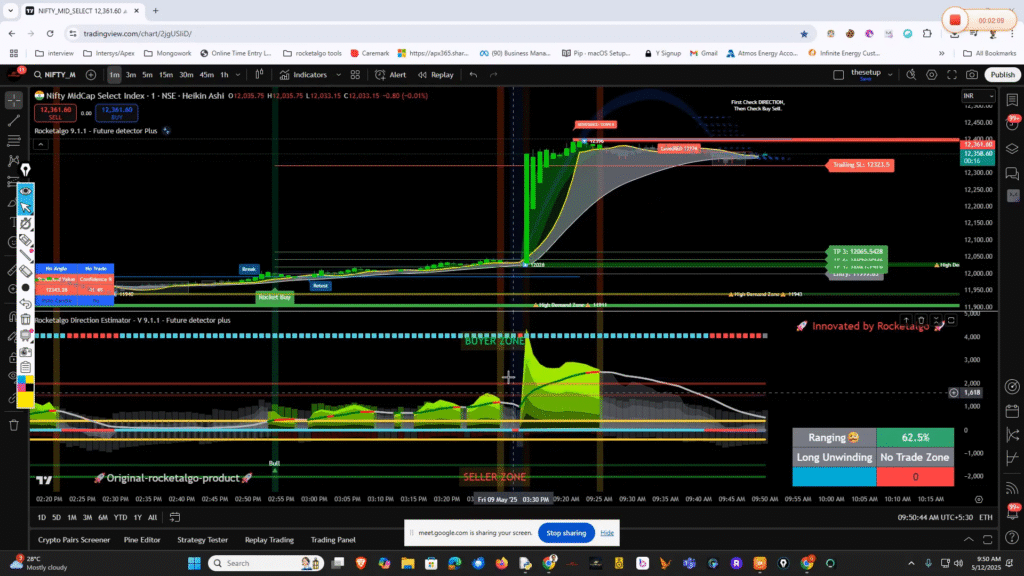
Welcome to our insightful discussion on trading strategies, particularly focusing on how to navigate the stock market and avoid market manipulation, especially during opening hours. This post is inspired by a recent session by Rocketalgo, where we delved into crucial trading techniques and market behaviors. Whether you’re a seasoned trader or just starting, understanding these concepts is essential for maximizing your trading potential.
Table of Contents
- 📈 Understanding Market Manipulation
- 📊 Recognizing Emotional Trading
- 📉 Identifying Spike Manipulations
- 🚀 Implementing Proper Trading Strategies
- 💡 Case Study: Bank Nifty Analysis
- 🔍 Economic Factors Influencing the Market
- 🌐 The Role of International Markets
- 🤔 Frequently Asked Questions
- 📅 Conclusion
📈 Understanding Market Manipulation
Market manipulation refers to the act of artificially inflating or deflating the price of a stock or other security, often to create an illusion of market activity. This can happen through various methods such as spreading false information, creating artificial demand, or executing trades to mislead investors. One of the most critical times to be vigilant about market manipulation is during the opening of the stock market.
During the opening hours, the market can experience extreme volatility. This is when many traders make emotional decisions, often driven by fear or greed. It’s essential to maintain a clear strategy to avoid falling victim to these manipulative tactics.
📊 Recognizing Emotional Trading
Emotional trading can lead to poor decision-making. When the market opens with a significant gap up or down, traders often react impulsively, which can exacerbate market movements. A well-structured approach is necessary to counter these emotional responses.
Here are some signs of emotional trading to watch out for:
- Overreacting to News: Traders may make hasty decisions based on headlines without fully understanding the context.
- Following the Crowd: Jumping into trades because others are doing it can lead to losses.
- Ignoring Risk Management: Emotional traders often neglect their stop-loss orders, leading to significant losses.
📉 Identifying Spike Manipulations
One of the most common forms of market manipulation is spike manipulation, where the price of a stock is artificially increased or decreased. This can be particularly evident during the market’s opening. Here’s how to identify it:
- Watch for Unusual Volume: If a stock suddenly has a high volume with minimal news, it might be a manipulation attempt.
- Monitor Price Action: A sudden spike in price followed by a quick drop can indicate manipulation.
- Be Wary of “Ugly Candles”: Candlestick patterns that show extreme volatility can signal manipulation.
🚀 Implementing Proper Trading Strategies
To navigate the stock market effectively, especially during opening hours, it’s crucial to have a solid trading strategy in place. Here are some tips:
📌 Analyze Market Trends
Before entering a trade, analyze the overall market trend. Tools like moving averages can help identify the direction of the market. A bullish trend may suggest that buying is favorable, while a bearish trend may indicate selling opportunities.
📌 Set Clear Entry and Exit Points
Define your entry and exit points before entering a trade. This avoids emotional decisions and helps you stick to your strategy. Use stop-loss orders to minimize potential losses.
📌 Stay Informed
Keep up with market news and economic indicators. Understanding the broader economic context can help you make informed decisions and avoid being swayed by manipulation tactics.
💡 Case Study: Bank Nifty Analysis
During our session, we discussed the Bank Nifty and its potential for manipulation. The Bank Nifty is particularly sensitive to economic news and market sentiment. Here are some key takeaways:
“The Bank Nifty may experience significant jumps based on market news, making it essential to monitor closely.” – Rocketalgo
In our analysis, we observed a spike formation that traders should be wary of. By being vigilant and employing a strategy, traders can capitalize on genuine opportunities while avoiding pitfalls.
🔍 Economic Factors Influencing the Market
Economic conditions can heavily influence market behavior. For instance, recent political developments, bailouts, or changes in foreign investment can create volatility. Understanding these factors can provide insights into potential market movements.
One notable example is the recent $1 billion bailout in the Indian property market, which has implications for stock market stability. Traders should consider how these factors may affect their trading strategies.
🌐 The Role of International Markets
The interconnectedness of global markets means that events in one country can significantly impact others. For instance, recent developments in the U.S. regarding arms sales to Pakistan have implications for both Indian and Pakistani markets. Understanding these dynamics is crucial for making informed trading decisions.
🤔 Frequently Asked Questions
❓ What is market manipulation?
Market manipulation refers to practices that distort the prices of securities through deceptive means, often leading to artificial price movements.
❓ How can I avoid emotional trading?
Implement clear trading strategies with defined entry and exit points, and always adhere to your risk management rules.
❓ What should I do if I suspect market manipulation?
Stay informed, analyze market trends, and avoid making impulsive decisions based on emotions or rumors.
📅 Conclusion
Understanding market manipulation and implementing proper trading strategies is vital for anyone looking to succeed in the stock market. By recognizing emotional trading, identifying spike manipulations, and staying informed about economic factors, traders can navigate the complexities of the market with greater confidence.
For more insights and live trading sessions, feel free to reach out to us at Rocketalgo. We’re here to help you refine your trading skills and achieve your financial goals!


